


Here’s a question worth asking before the next marketing budget gets signed off: when was the last time anyone actually looked at the old customer list?
Not the active subscribers. Not the people currently in a nurture sequence. The others. The ones who bought something two years ago and never came back. The enquiries that went quiet. The contacts sitting in a CRM that everyone agrees is “probably out of date” but nobody has actually opened.
Most businesses treat that list as cold data. Not worth the effort, not worth the postage, not worth thinking about until it’s time for a data cleanse.
That assumption is worth questioning.

The Trouble with Always Chasing New Customers
There’s a default setting in most marketing strategies: growth means finding new people. New ads, new social campaigns, new email pushes, all of it requiring more time, more budget, more effort, with no guarantee any of it works.
Meanwhile, sitting quietly in the background, is a list of people who already know the brand. Already trust it, at least a little. And are almost entirely ignored.

What Happens When You Actually Try It
We worked with a well-known garden furniture retailer who decided to test this directly. Not with a new audience. Not with fresh data. With the old stuff, previous customers and dormant enquiries that had gone quiet for some time.
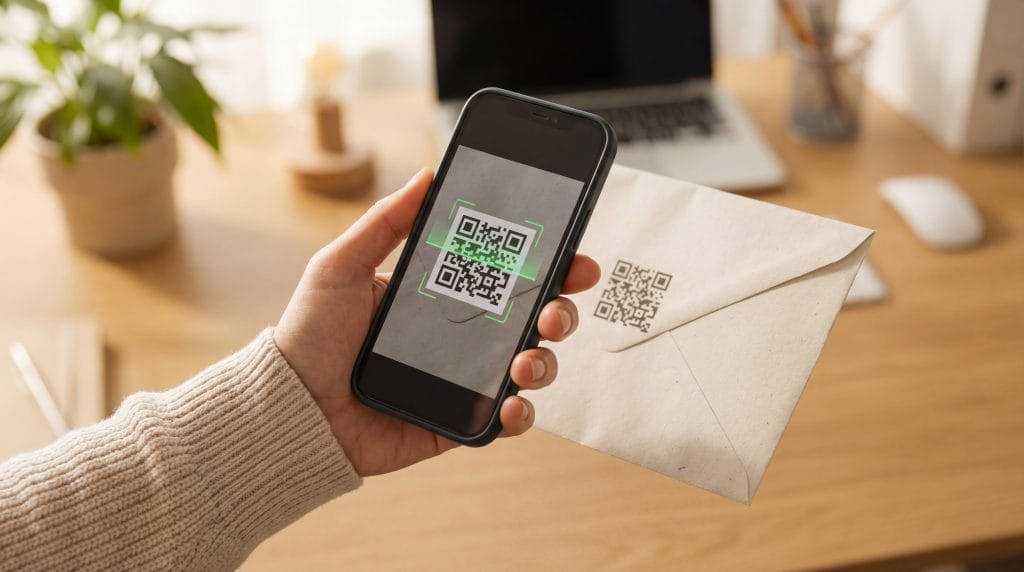
700 pieces of personalised, handwritten-style direct mail later, the results were: 33 QR code scans, £7,000 in sales, a 5.69% engagement rate, and 254.6% ROI.
For a list most businesses would have written off as dead, that’s a fairly compelling argument against writing things off.

Why It Worked
The reason is almost annoyingly simple.
These weren’t strangers. They were people who’d already engaged with the brand at some point, which meant there was no trust to build from scratch. Just a conversation that had gone quiet, waiting to be picked back up.
The handwritten-style format made the message feel like it was actually for them, not a segment. And the tracking meant the results weren’t a guess. They were measured.
But the real difference was simpler than any of that: the letter showed up somewhere else. While every competitor was fighting for space in the same crowded inbox, this arrived in the actual letterbox. Different room entirely.
Existing Customers Get Treated Like an Afterthought
Most marketing budgets are weighted heavily toward finding new people. Acquisition matters, of course. But it’s also one of the most expensive ways to grow, and a lot of businesses keep doing it while quietly ignoring people who’ve already:
- bought from them before
- enquired about their services
- visited their website
- engaged with the brand in some way
- shown a degree of trust already
With these people, you’re not starting from zero. You’re restarting a conversation that already had momentum once.

Reactivation Is Usually Cheaper Than Acquisition
This isn’t a new idea. Reactivating existing customers is, more often than not, considerably more cost-effective than acquiring brand new ones, because the groundwork is already done. Less explaining, persuading and, less convincing someone you’re trustworthy from a standing start.
A dormant customer isn’t necessarily a lost one. Sometimes they just need a reason to come back. Databases age, that’s true. People move house, switch jobs, change emails, update details. Some of that decay is real.
But decay doesn’t automatically mean the list is worthless. This campaign is a fairly clear demonstration that older data can still produce real results when it’s approached the right way. A lot of businesses assume a database has stopped working because email stopped working on it. Often, the problem isn’t the audience. It’s the channel.
When everyone’s relying on the same digital noise, physical mail ends up being the thing that actually gets through.

Why Direct Mail Works for Reactivation
Retail customers are buried in digital marketing, most of which gets ignored or deleted within seconds. Physical mail behaves completely differently. It feels considered. It feels personal. It’s harder to just delete.
People pick it up. Open it. Read it. Leave it on the kitchen counter. Come back to it later.
That extended moment of attention is something digital struggles to recreate. And for someone who already half-remembers your brand, that’s often enough to bring them back into the conversation.us customers who already recognise the brand, that level of personal attention can be enough to reignite engagement.

Sometimes the Easiest Sales Are the Ones You Almost Forgot About
This campaign is a reminder that growth doesn’t always mean finding new people. Sometimes it means reconnecting with the right ones, the ones who were there all along.
At Pen Written Post, we help businesses run handwritten-style direct mail campaigns that re-engage dormant customers and turn forgotten contacts into measurable results. If you’ve got an old database sitting somewhere, there’s a reasonable chance it’s worth more than you think.
Get in touch at info@penwrittenpost.co.uk to find out what a reactivation campaign could do for yours.