
Most businesses obsess over new leads.
- More traffic.
- More clicks.
- More conversations.
But in the background. There’s a much simpler opportunity being missed.
Your existing customers are your most underused asset.
They’ve already:
- trusted you
- paid you
- experienced your service
And yet…
Most upselling looks like this:
- a generic email
- a footer mention
- a “you might also like…”
Easy to send. Easy to ignore.
The real problem with upselling.
It’s not the offer. It’s the delivery.
Because most upsells:
- feel automated
- feel transactional
- arrive in places already overloaded
And even worse…
They feel like selling. Which creates resistance instantly!
Especially in industries where:
- trust matters
- emotion is involved
- decisions aren’t rushed
(think legal, financial, healthcare, family services)
So how do you upsell without triggering resistance?
You change the environment the message arrives in. This is where handwritten letters with QR codes become powerful. Not because they’re “nice”. But because they completely change how the message is received.

A recent campaign (without naming names)
We worked with a long-established legal business.
- Their core service was already trusted.
- They had a large base of existing clients.
And a natural next-step service that made sense to offer.
The Challenge
They needed to:
- introduce the service
- explain its value
- encourage action
Without:
- sounding pushy
- overwhelming the customer
- or being ignored
The Usual Route.
- Email.
- Maybe a call campaign.
- Possibly both.
What we did instead.
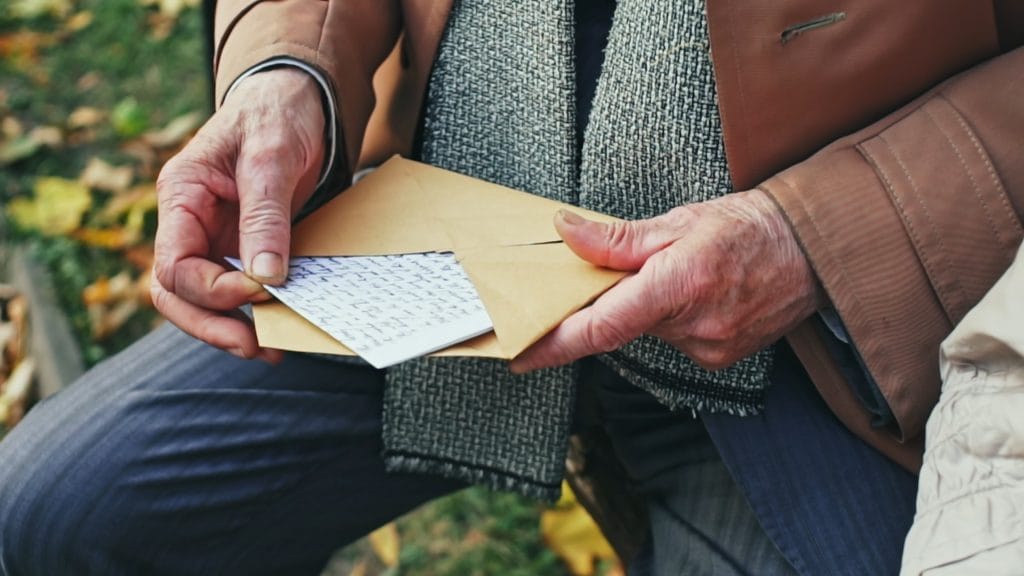
We sent a handwritten letter.
- Simple.
- Considered.
- Thoughtful.
- Human.
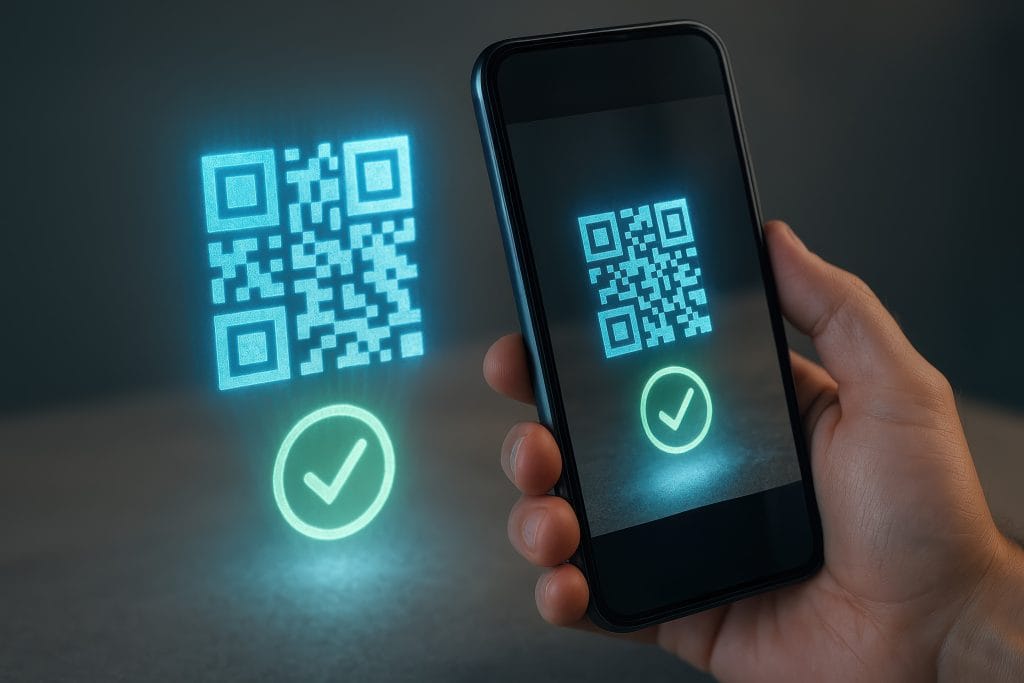
With one key addition: a personalised QR code.
Why the QR code matters.
Because it bridges two worlds:
- physical attention
- digital action
The letter creates the moment. The QR code captures it.
The Result.
From just 216 letters sent, we saw:
- 30+ tracked QR scans
- 14% engagement rate from scans alone
Not clicks. Not impressions. Actual intent.
But that’s only part of the story, because this doesn’t include:
- inbound phone calls
- direct enquiries from people who chose not to scan
And with this audience, that matters.
Because not everyone responds digitally.
Some people:
- read the letter
- take a moment
- and pick up the phone instead
Especially in trust-led services.
Which means the real engagement was higher.
What we saw wasn’t just traffic. We saw:
- repeat scans
- people coming back more than once
- and a steady flow of inbound calls alongside it
So this wasn’t passive interest, it was consideration from people who had already bought once.
And that’s the key point!
This wasn’t cold outreach. This was:
- existing customers
- being re-engaged
Most businesses obsess over new leads.
- More traffic.
- More clicks.
- More conversations.
But in the background. There’s a much simpler opportunity being missed.
Why this matters.
Most digital channels would consider 14% exceptional.
This was achieved:
- with one touchpoint
- with physical mail
- and without even capturing the full picture
The Takeaway.
When you change how your message arrives you don’t just get more attention.
You get better attention.
And that tells you everything!
Because the audience in this case was generally a bit older. Which means:
- trust matters more
- digital behaviour varies
- human contact wins
The letter didn’t just drive traffic. It triggered response.
This is the key shift.
You’re not just sending information. You’re creating a moment where someone thinks:
“I should probably look at this.”
Why handwritten works so well for upselling.
- It feels intentional – This isn’t a broadcast. It feels chosen.
- It slows the interaction down – People actually read it.
- They already know you – this reinforces that.
- It reduces resistance – It doesn’t feel like a “push”
- It stays visible – On a desk. On a sideboard. Not buried in an inbox.
And the QR code completes the loop. Because attention without action is wasted.
The QR code:
- removes friction
- tracks engagement
- links directly to a relevant page
The landing page matters more than you think. In this campaign, the landing page wasn’t generic.
It was:
- specific to the offer
- aligned with the letter
- designed to continue the conversation
That continuity is what converts.
What most businesses get wrong.
They separate:
- the message
- the channel
- the experience
But the best-performing campaigns feel like one continuous journey.
Where this works exceptionally well.
Any business with:
- an existing customer base
- a logical next-step offer
- and a trust-based relationship
1. Legal and Estate Planning
Upselling:
- protection plans
- ongoing advisory services
- family support packages
Context: life events, emotional decisions, trust-heavy
2. Financial Services
Upselling:
- portfolio reviews
- protection products
- long-term planning services
Context: high value, slow decision-making
3. Healthcare and Private Clinics
Upselling:
- treatment plans
- follow-up services
- preventative care packages
Context: reassurance matters more than urgency
4. Education and Coaching
Upselling:
- advanced programmes
- memberships
- longer-term support
Context: relationship-driven, high trust
5. Home and Property Services
Upselling:
- maintenance plans
- upgrades
- long-term contracts
Context: existing relationship, convenience-driven
The pattern across all of these? The upsell isn’t random. It’s:
- Relevant
- Timely
- expected (but not pushed)
The Real Takeaway.
Upselling isn’t about saying more. It’s about being heard differently.
Because right now, most upsells:
- blend in
- get skipped
Or, they create friction.
Handwritten changes that dynamic.
It doesn’t compete in the same space and that is exactly why it works.
Final thought.
You’ve already done the hard part. You’ve earned the customer. The question is: Are you communicating with them in a way they’ll actually notice?
If you want to see how this works in practice
We’ve put together examples of:
- handwritten campaigns
- QR tracking in action
and, how businesses are using this to increase customer value.